
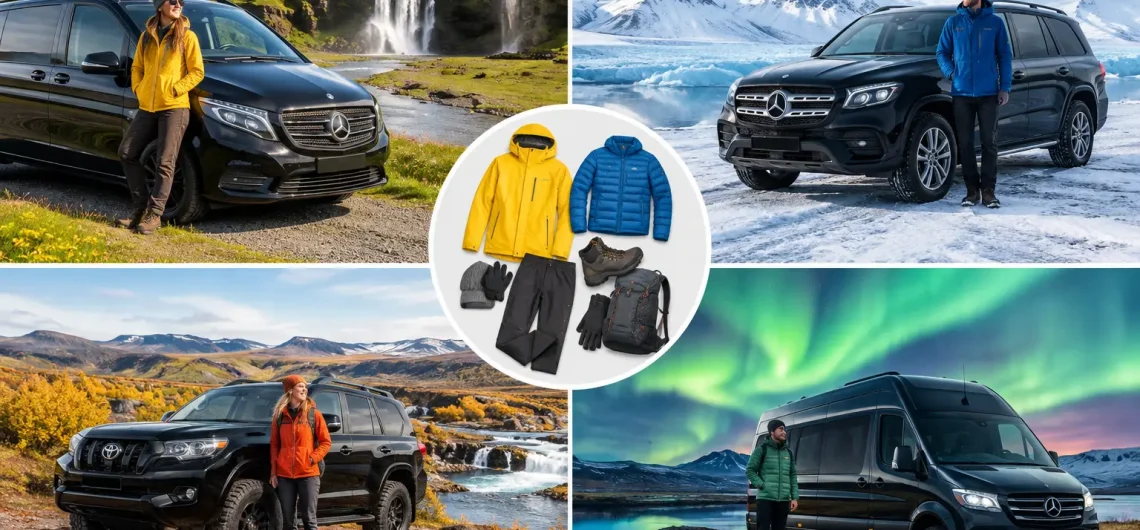
A sunny morning at Seljalandsfoss can turn into cold rain by lunchtime, with wind strong enough to make a short walk feel surprisingly brisk. That is why deciding what to wear on Iceland tours is less about packing for a season and more about preparing for changing conditions with confidence. The right clothing lets you stay present for the glacier views, black-sand beaches, and hidden trails rather than retreating to the vehicle early.
For a private journey, comfort matters beyond the headline weather forecast. You may step out often, linger when the light is exceptional, or alter the day’s route with your guide when conditions reveal a quieter, more beautiful opportunity. Dress for those moments, not simply for the walk from a parking lot to a viewpoint.
What to Wear on Iceland Tours: Start With Layers
Icelandic weather is famously changeable, but it is also manageable when your clothing system is practical. Think in three layers: a moisture-managing base layer, a warm insulating middle layer, and a waterproof outer shell. This approach gives you options without requiring an oversized suitcase.
Start with a close-fitting merino wool or synthetic base layer. A long-sleeve top and leggings are especially useful from fall through spring, and they remain worthwhile on cool summer days. Avoid cotton as your next-to-skin layer. Once cotton becomes damp from rain, spray, or perspiration, it loses warmth and takes a long time to dry.
Your middle layer should provide warmth without bulk. A fleece, lightweight down jacket, or synthetic insulated jacket works well. Down offers excellent warmth for its weight, but synthetic insulation is more forgiving in wet conditions. Many experienced travelers bring one of each: a fleece for active walks and a packable insulated jacket for stops where the wind is sharper or you are standing still.
The outer layer does the essential work. Choose a windproof, waterproof jacket with a hood, ideally one made from a breathable fabric and long enough to cover your hips. Waterfall spray can be as soaking as rain, particularly at powerful sites such as Skógafoss and Seljalandsfoss. Waterproof pants are equally valuable. They may feel unnecessary when you leave Reykjavík under blue skies, but they can transform a wet, windy afternoon into a comfortable one.
Do not confuse water-resistant with waterproof
A stylish travel coat that repels a light shower is not the same as a true rain shell. Look for sealed seams, a protective hood, and cuffs that can be adjusted against wind. The same distinction applies to pants and footwear. Iceland is a place where dependable technical clothing earns its space in your luggage.
Footwear Is the Decision You Will Feel Most
Bring sturdy, waterproof hiking boots or trail shoes with good tread. You do not need heavy mountaineering boots for most guided sightseeing and moderate walks, but your shoes should be broken in, supportive, and able to handle loose gravel, mud, wet grass, and uneven lava fields.
Waterproofing matters as much as traction. Paths near waterfalls can be saturated, while coastal stops often involve wet rocks and shallow puddles. Pair your footwear with wool hiking socks, and bring a few extra pairs so you always have dry socks available. If you are planning a glacier hike or a specialized activity, your guide will confirm whether technical boots or equipment are provided or required.
Skip fashion sneakers, smooth-soled boots, and brand-new shoes. They can be comfortable for dinner in the city, but they are a poor choice for a full day exploring the countryside. A private vehicle gives you a warm, comfortable place between stops, but it cannot compensate for cold, wet feet.
What to Wear on Iceland Tours by Season
The same layering principles apply year-round, yet each season changes what you should prioritize.
Summer: June through August
Summer brings long daylight hours and relatively mild temperatures, but it does not guarantee warm weather. Expect a mix of cool breezes, rain, sun, and temperatures that can feel much colder near the coast or at higher elevations. Pack your waterproof shell, fleece, hiking shoes, sunglasses, and a warm hat. Yes, even in July.
A lighter insulated jacket is usually enough for most travelers, especially when worn with a fleece or merino layer. On calm, sunny days you may be comfortable in a T-shirt during a walk. Keep that layer in your day bag rather than assuming the sun will last. Insects are rarely a major concern, but a buff or light neck gaiter is useful against wind and dust.
Fall and spring: September through October and April through May
These shoulder seasons can be spectacular, with lower visitor numbers, changing colors, dramatic skies, and, in the right conditions, northern lights. They also call for more insulation and a serious waterproof outer layer. Bring thermal base layers, a warm midlayer, insulated outerwear, waterproof pants, gloves, and a hat that covers your ears.
Fall and spring conditions vary considerably by region and elevation. A native guide can adjust the route to suit the day, but you will be far more comfortable if you can add or remove layers quickly. Pack a small daypack rather than wearing every layer when you leave your hotel.
Winter: November through March
Winter rewards prepared travelers with ice caves, snow-covered landscapes, low golden light, and long evenings suited to northern lights viewing. It is not the time for a single heavy coat over everyday clothes. Layers remain more effective because temperatures, wind, and activity levels change throughout the day.
Choose merino or synthetic thermals, a fleece or insulated midlayer, a warm waterproof jacket, waterproof pants, insulated gloves, a wool hat, and a neck gaiter. Bring gloves that allow you to operate a phone or camera, plus a warmer backup pair for extended time outdoors. Hand warmers are optional but welcome for travelers who get cold easily.
Your guide may provide traction aids such as crampons or microspikes when conditions require them. Do not purchase specialized gear unless your itinerary specifically calls for it. The more useful investment is a pair of waterproof boots that fit well with thick socks.
Small Accessories That Make a Big Difference
The most overlooked items are often the ones that keep a day enjoyable. A brimmed cap helps with rain and low sun, while sunglasses are useful in every season. Snow, water, and pale sand can create strong glare. A reusable water bottle is practical because Iceland’s tap water is excellent, and lip balm plus moisturizer can help in dry wind.
For photography, use a small waterproof pouch or cover for your phone and camera. Waterfall mist reaches farther than many visitors expect. If you use prescription glasses, a cap and microfiber cloth can be more useful than an umbrella, which is often impractical in gusty conditions.
A compact daypack should hold your spare layers, water, snacks, medication, and electronics. On a private tour, you can leave larger luggage and nonessential items in the vehicle, allowing you to step outside ready for the experience rather than carrying too much.
A Practical Iceland Packing Checklist
For most itineraries, this concise set covers the essentials without overpacking:
- Waterproof, windproof hooded jacket and waterproof pants
- Merino or synthetic base layers and a fleece or insulated midlayer
- Waterproof hiking boots with wool socks
- Warm hat, gloves, and a neck gaiter
- Small daypack, sunglasses, reusable water bottle, and waterproof phone protection
Add a swimsuit. Geothermal pools and hot springs are part of the Iceland experience in every season, and a swimsuit takes up very little space. A quick-drying travel towel can be useful, although many established facilities offer rentals.
Dress for the Experience You Want
There is no need to look like an expedition member on every stop, and you can absolutely pack a few polished pieces for Reykjavík dinners or a special lodge stay. The key is to separate your sightseeing wardrobe from your evening wardrobe. One reliable outdoor system will serve you better than several fashionable coats that each work only in perfect weather.
If you are traveling with children, prioritize waterproof gloves, extra socks, and layers that are easy to put on independently. For travelers who are sensitive to cold, add an insulated vest or a heavier midlayer rather than relying on a bulky jacket alone. And if mobility is a consideration, choose stable footwear with easy closures and let your itinerary be shaped around comfortable, rewarding access rather than unnecessary exertion.
The best packing decision is not about owning the most technical gear. It is about arriving ready to follow the weather, stay comfortable, and say yes when your guide suggests one more waterfall, a quiet coastal path, or a remarkable viewpoint just beyond the usual route. At Discover Iceland, that flexibility is part of how a handcrafted private journey becomes memorable.
