
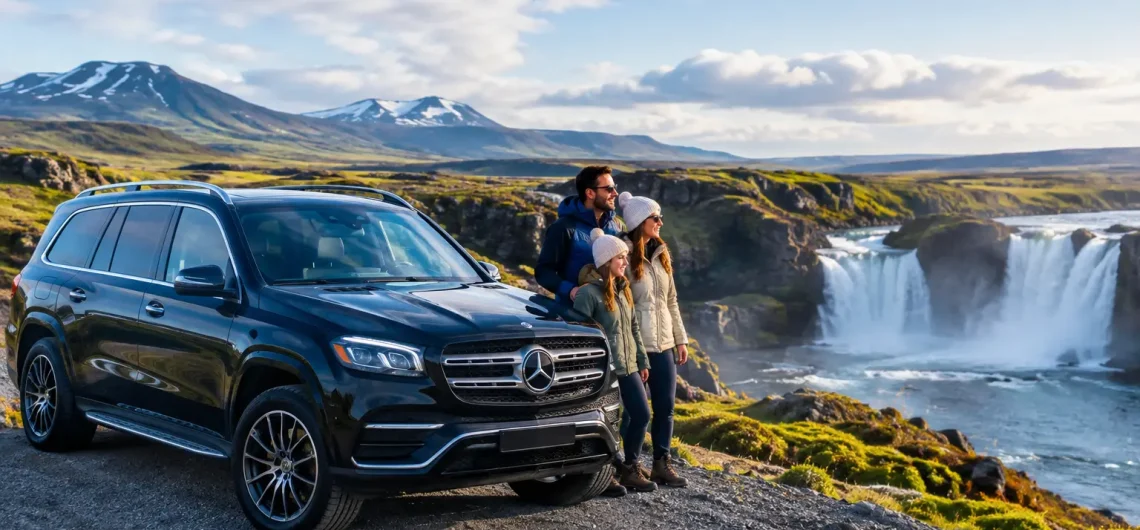
A full parking lot at Skogafoss can make Iceland feel surprisingly small. Ten minutes later, a knowledgeable guide can have you on a quiet coastal road, walking toward a waterfall most visitors pass without seeing. If you are asking which Iceland tours avoid crowds, the honest answer is not simply “the remote ones.” The best crowd-avoiding experiences combine route choice, timing, vehicle capability, and the freedom to change plans when conditions call for it.
For travelers who want Iceland’s dramatic landscapes without the rush of a bus itinerary, private touring offers a different rhythm. You still see the places that matter, but you see them on terms that leave room for quiet, comfort, and genuine discovery.
Which Iceland tours avoid crowds most effectively?
Private Super Jeep tours, custom multi-day private journeys, and carefully timed private day tours are generally the strongest choices. They are not crowd-free by magic – Iceland’s famous waterfalls, geothermal areas, and glacier lagoons are famous for good reason. What changes is your ability to arrive outside peak windows, take less-traveled approaches, and spend more of the day beyond the standard sightseeing circuit.
Large group tours usually work around fixed pickup times, scheduled meal stops, and a sequence of major landmarks shared by dozens of other coaches. A private guide can work around all three. If a viewpoint is busy, the route can shift. If the weather opens dramatically in another valley, you can go there. If you want an unhurried lunch in a small fishing village instead of a crowded service stop, that becomes part of the day.
The right option depends on how far you wish to travel and what “avoiding crowds” means to you. Some guests want quiet landscapes with very little driving. Others are happy to cover serious ground for access to highland tracks, glacial valleys, and remote coastal scenery. A well-designed private itinerary starts with that distinction.
Choose regions where the road naturally thins out
The Golden Circle and South Coast are worthwhile, especially for a first visit, but they are also Iceland’s most concentrated sightseeing routes. They can feel busy between late morning and mid-afternoon, particularly from June through August. Avoiding crowds does not mean skipping them altogether. It means seeing their highlights at the right moment, then continuing to places where most day tours do not go.
The Reykjanes Peninsula for an easy, quieter first day
Reykjanes is close to Keflavik Airport yet often receives far fewer visitors than the Golden Circle. Its black lava fields, rugged sea cliffs, geothermal landscapes, and fishing harbors make it a compelling choice for arrival or departure day touring. Conditions around active volcanic areas can change quickly, so local guidance matters. When access is permitted, a private itinerary can also respond intelligently to road closures, weather, and official safety advice.
The Snæfellsnes Peninsula for variety without the rush
Snæfellsnes is often called Iceland in miniature, with lava fields, volcanic beaches, dramatic mountains, small villages, and the Snæfellsjökull glacier. Some well-known stops can be busy, but the peninsula has enough length and variety to reward a full private day or an overnight stay. Rather than following a rushed loop, you can linger at a windswept beach, visit a quiet harbor, or take a short walk where the landscape is the main event.
The Westfjords for true space and slower travel
For guests with several days to spare, the Westfjords deliver some of Iceland’s most powerful sense of remoteness. Roads are longer and often narrower, services are more limited, and weather can influence plans. Those are not drawbacks when the journey is properly supported – they are why the region remains quieter than the country’s better-known routes.
A native guide and capable vehicle make a meaningful difference here. They bring local judgment to road conditions and pacing, while you enjoy the dramatic fjords, bird cliffs, isolated beaches, and small communities without the burden of navigation.
The Highlands for access beyond the paved road
Highland travel is the clearest answer for guests seeking landscapes that feel removed from everyday tourism. The season is short, typically summer only, and access depends on snowmelt, river conditions, and road openings. This is not an area for casual self-driving or rigid plans.
A Super Jeep journey can reach extraordinary interiors of volcanic desert, colorful rhyolite mountains, geothermal valleys, and glacial rivers. It is an adventurous day, sometimes with bumpy terrain and long driving distances, but it offers a degree of solitude that is difficult to find along the Ring Road. Comfort still matters: a well-equipped vehicle, thoughtful pacing, warm layers, and a guide who knows when conditions are right all shape the experience.
Timing matters as much as destination
Even Iceland’s most visited places have quieter hours. Early mornings and later evenings are often the most effective times to visit headline sights, especially during the bright summer months when daylight lasts well into the night. A private tour can use that daylight to your advantage rather than forcing the day into conventional office hours.
Shoulder seasons can also be rewarding. May and September often bring fewer visitors than high summer, while retaining broad access to many regions. October through April can offer quieter roads, winter light, ice caves when conditions allow, and northern lights opportunities. The trade-off is less predictable weather, shorter daylight, and occasional itinerary adjustments.
Winter is not automatically empty, however. Popular South Coast stops and northern lights areas can still be busy. The difference lies in traveling with someone who can read the forecast, choose a less congested location, and avoid turning a weather delay into a disappointing day.
Why private touring changes the crowd equation
Privacy is not just about having a vehicle to yourself. It is about having choices throughout the day.
A private guide can adjust the order of stops, take a scenic detour, wait for a rain shower to pass, or stay longer when a place feels special. This flexibility is particularly valuable in Iceland, where weather is part of the landscape and can change quickly. Fixed group schedules rarely allow for those decisions.
Local knowledge also goes beyond a list of hidden spots. The most memorable quieter places are not always secret, nor should they be treated as private discoveries to be broadcast widely. They are places chosen responsibly: trails suited to the day’s weather, viewpoints that do not overwhelm a fragile environment, and local businesses that welcome visitors. A thoughtful guide helps you experience Iceland deeply while respecting the land and communities that make the journey possible.
At Discover Iceland, private itineraries are handcrafted around these practical details. A family may prefer short walks, reliable comfort stops, and a spacious vehicle. A couple may want a later start, a scenic picnic, and time for photography. Friends may be drawn to a Super Jeep route that reaches terrain beyond ordinary rental-car access. The route should reflect the travelers, not the other way around.
What to ask for when planning a quieter trip
Be specific about the experience you want. Saying “avoid crowds” is a useful starting point, but your travel designer can make better decisions if you explain whether you prioritize photography, gentle walks, remote roads, food experiences, wildlife, or major landmarks seen at quieter times.
It also helps to be honest about your appetite for driving and adventure. A remote highland day may involve uneven roads and several hours in the vehicle. The Westfjords may require an overnight stay to feel relaxed. Conversely, a beautifully paced private day near Reykjavík can still include striking scenery and peaceful moments without demanding an expedition.
Ask how the itinerary handles weather and whether the sequence of stops can change on the day. That answer reveals a great deal. In Iceland, flexibility is not an extra feature. It is often the difference between merely following a plan and having a genuinely well-hosted experience.
The trade-off: famous sights are rarely yours alone
There is no need to pretend otherwise: Seljalandsfoss, Jökulsárlón, Geysir, and other celebrated places draw visitors year-round. A quieter Iceland tour should not promise an empty country. It should promise a more considered way to move through it.
You may visit an iconic waterfall before the coaches arrive, then spend the afternoon on a quiet canyon trail. You may photograph a famous mountain from one angle, then continue to a fishing village where the harbor is more memorable than the photo stop. You may trade a packed midday restaurant for a relaxed meal where the pace suits the day.
That balance is often what premium travel in Iceland looks like: access to the landscapes you came to see, paired with the space to feel present once you arrive.
The best itinerary leaves room for the unexpected – a break in the clouds over a glacier, a pod of seals offshore, fresh snow on a mountain pass, or a quiet road that turns out to be the highlight of the day. Plan for the places on your list, then travel with enough flexibility to notice what Iceland offers in between.
