
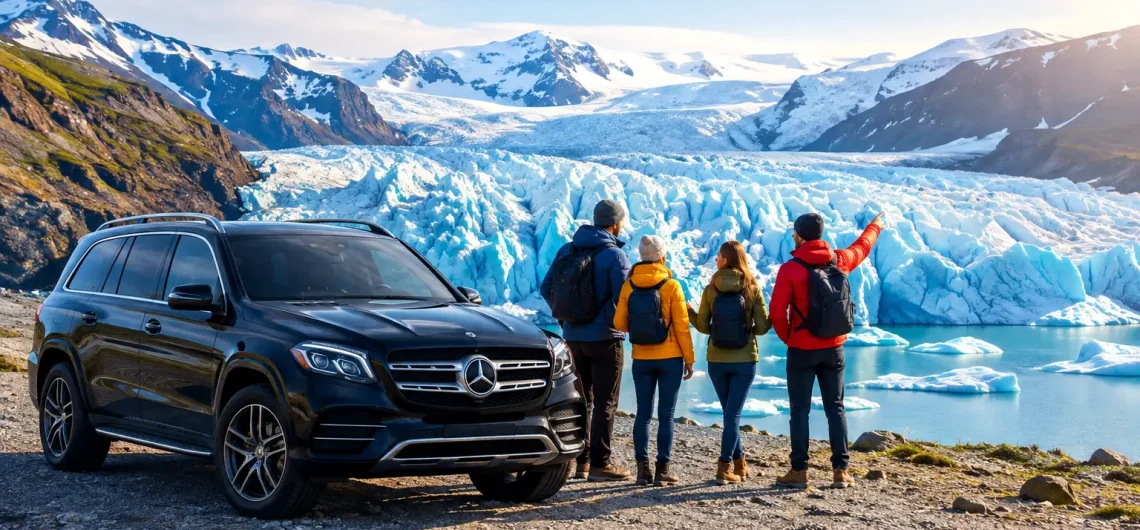
A glacier can look still from the roadside, but its surface is always changing. Beneath the blue ice may be deep crevasses, fast-moving meltwater, and unstable snow bridges that give no warning before they collapse. That is why learning how to visit glaciers safely begins with one clear decision: treat the glacier as a technical environment, not a scenic trail.
In Iceland, a glacier visit can be one of the most memorable parts of a private journey. With the right guide, equipment, timing, and respect for conditions, you can step onto an extraordinary landscape with confidence while still enjoying the comfort and flexibility of a well-planned day.
How to Visit Glaciers Safely: Start With a Qualified Guide
Never walk onto a glacier independently, even if you see tracks in the snow or other visitors nearby. Glacier surfaces can change overnight after rain, wind, thawing temperatures, or fresh snowfall. A route that was suitable in the morning may be unsafe by afternoon.
A qualified glacier guide does much more than lead the way. They assess the day’s conditions, choose a route around visible and hidden hazards, fit your crampons correctly, demonstrate safe movement on ice, and make informed decisions when weather changes. They also carry the safety equipment and communication tools needed for the terrain.
For private travelers, the value is not simply added convenience. A native guide or experienced local team can shape the day around your group’s pace, confidence level, mobility needs, and the weather window. This matters particularly for families, travelers who prefer a more relaxed pace, or anyone combining glacier walking with a longer South Coast itinerary.
Be cautious of any experience that promises unrestricted access with little discussion of conditions, gear, or ability. A professional operator will ask sensible questions before departure and may adjust, shorten, or cancel a glacier activity if conditions are not right. That is good judgment, not a compromised experience.
Choose the Right Glacier Experience for Your Group
“Visiting a glacier” can mean several very different things. The best choice depends on how close you want to get, how active you want the day to be, and who is traveling with you.
A glacier-viewing stop offers the drama of the ice without walking on it. This can be an excellent option for travelers with limited time, young children, or anyone who wants to focus on photography and the surrounding landscape. You may see glacial tongues, lagoons, black-sand plains, or floating icebergs from safe designated viewpoints.
A guided glacier walk is more active. Expect uneven ice, changing gradients, wind exposure, and a steady pace rather than a casual stroll. Most first-time walkers can enjoy an introductory outing when they are reasonably mobile, comfortable following instructions, and dressed properly. The route should be selected for the group, not the other way around.
Ice cave visits require even more care. Natural ice caves are seasonal, conditions-dependent places that must be assessed continually. Their brilliant blue walls can make them feel magical and enclosed, but they are not permanent attractions. Enter only with a properly equipped guide who has evaluated the cave that day. If access is closed, a thoughtful guide will offer an alternative rather than force an unsafe plan.
Dress for the Ice, Not the Forecast in Reykjavík
Glaciers create their own microclimate. It can feel significantly colder and windier on the ice than it did at your hotel or during the drive. Weather can also shift quickly, especially in exposed areas of southeast Iceland.
The goal is to stay dry, warm, and mobile. Wear layers rather than one bulky item, beginning with a moisture-wicking base layer and adding an insulating midlayer. A waterproof, windproof outer shell is essential. Jeans, fashion sneakers, and cotton socks are poor choices because they become cold and uncomfortable when wet.
For a glacier walk, plan on sturdy hiking boots that cover the ankle and have a firm sole suitable for crampons. Many operators can provide specialized equipment, but boot requirements vary, so confirm what is included before your trip. Bring warm gloves, a close-fitting hat, sunglasses, and sunscreen as well. Sunlight reflecting off snow and ice can be surprisingly intense, even on a cool day.
A small daypack is useful for water, an extra layer, medications, and a snack. Keep your hands as free as possible while walking. You may want your phone or camera ready, but secure it with a strap or zipped pocket when you are moving across uneven ice.
Follow Your Guide’s Technique and Stay With the Group
Crampons make ice travel safer, but they do not make a glacier risk-free. Most slips happen when travelers rush, take oversized steps, or catch a crampon point on a pant leg or boot. Your guide will show you how to place your feet deliberately and use a wider, steadier stance.
Keep a comfortable distance from the person ahead, particularly on slopes or narrow sections. Do not step off the established route for a photograph, a closer look at a moulin, or a shortcut. Features that appear solid can conceal hollow ice or thin snow above a crevasse.
If you feel unsure, say so early. Private travel has a real advantage here: the experience can be paced around your group rather than a fixed bus schedule. A short pause to adjust layers, tighten a boot, or regain confidence is normal. There is no prize for moving quickly across ice.
Listen closely at safety briefings, even if you have hiked in snow before. Glacier travel is different from a winter walk or a mountain trail. The guide’s instructions reflect the exact conditions beneath your feet that day.
Let Weather and Road Conditions Set the Schedule
A beautifully planned Iceland day still needs room for change. Strong winds, rain, low visibility, icy roads, and sudden temperature shifts can affect both the journey to the glacier and the activity itself. The safest itinerary is not the one that fits the most stops into a map. It is the one that allows enough time to respond intelligently when conditions change.
Avoid arranging a glacier activity immediately before an inflexible dinner reservation, domestic flight, or long transfer. Give the day breathing room. If your guide recommends an earlier departure, a different glacier, or a change in route, that recommendation is usually based on real-time local knowledge rather than caution for its own sake.
This is where a handcrafted private itinerary can make a substantial difference. Instead of managing road reports, parking, gear logistics, and shifting weather on your own, you can travel in a capable vehicle with a local host who is already making those decisions in the background. The day remains adventurous, but it does not need to feel precarious.
Respect a Landscape That Is Already Under Pressure
Glaciers are powerful, fragile, and rapidly changing. Visiting responsibly protects both you and the place you came to see. Stay on approved routes, keep clear of roped-off areas, and never throw stones into crevasses or meltwater channels. Do not climb ice walls, touch cave formations unnecessarily, or leave food wrappers and other waste behind.
Drones deserve special consideration. They can disturb other visitors, interfere with guides’ communication, and may be restricted in protected areas or during organized activities. Ask before flying one, and be prepared to leave it packed away.
Photography is part of the experience, but it should not dictate your choices. The safest image is rarely taken from the edge of an ice feature. A skilled guide knows the angles that feel dramatic without placing guests in an exposed position.
Know When to Choose a Different Adventure
A glacier walk is not mandatory to have a meaningful glacier day. If someone in your party is uncomfortable with uneven terrain, has a relevant medical concern, or simply prefers not to wear crampons, choose a glacier lagoon, scenic overlook, black-sand beach, or a warm lunch with views of the ice instead. Iceland rewards curiosity in many forms.
The same principle applies if conditions deteriorate. The ice will still be there on another day. A guide who redirects the plan is protecting the quality of your journey as much as your safety.
The most memorable glacier visits leave you with more than photographs. They leave you with a sense of the glacier’s scale, movement, and wildness, experienced with enough care that you can be fully present for it.
